Vaccination: One of Science's Greatest Achievements in Protecting Lives and Future Generations
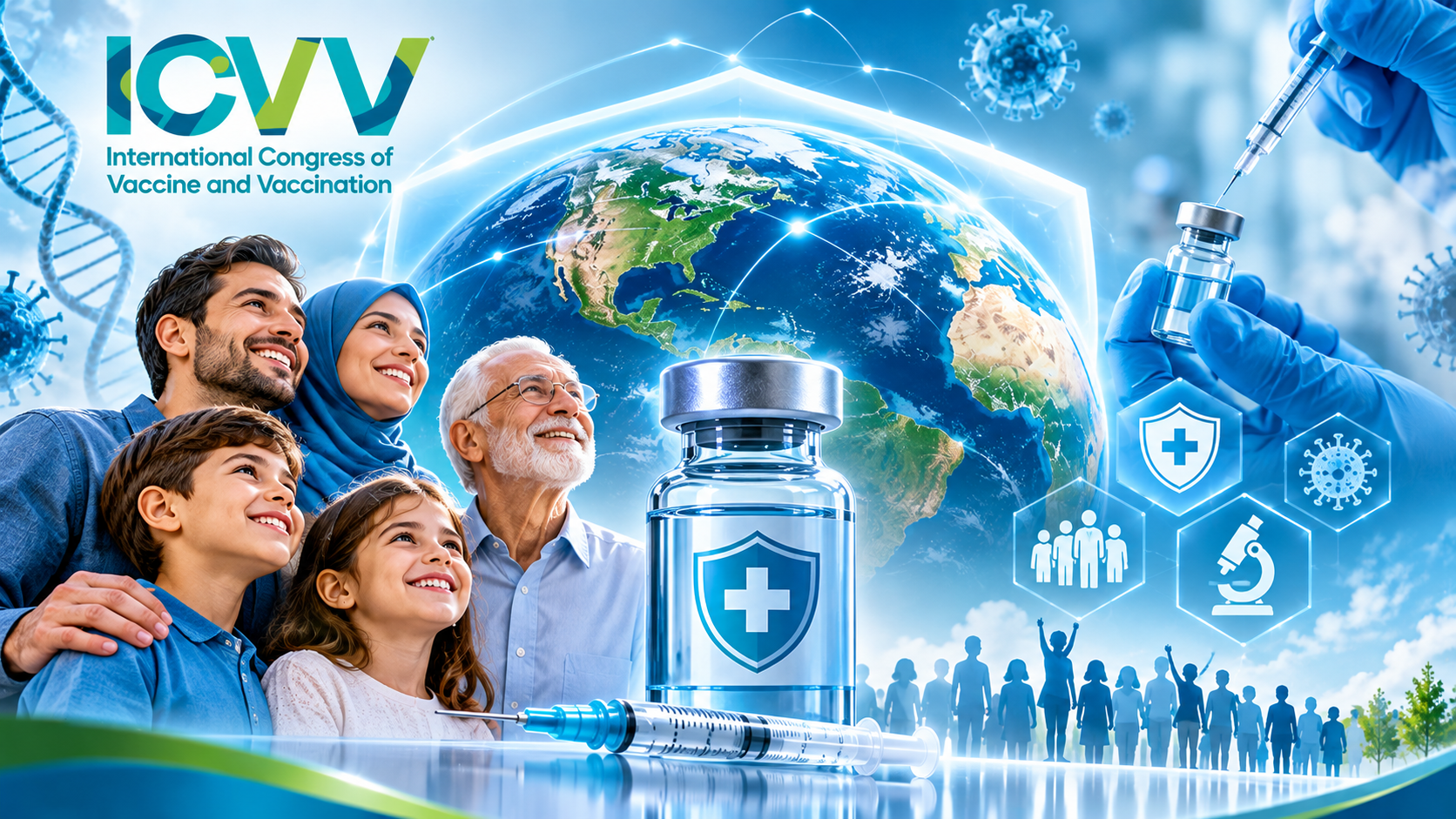
World Immunization Week is an opportunity to celebrate scientific achievements in vaccine development and highlight the strategic role of immunization in protecting human health, preventing infectious diseases, and building a healthier future for generations to come.
Vaccines are among the most significant achievements in the history of medicine and public health. Over more than two centuries, the development and implementation of vaccination have transformed the fight against infectious diseases, making it possible to prevent illnesses and reduce mortality on a global scale. According to the World Health Organization (WHO), vaccines have saved more than 150 million lives over the past 50 years, demonstrating the indispensable role of immunization in global health.
Today, vaccination is no longer limited to childhood. Protection against vaccine-preventable diseases remains essential throughout every stage of life. At the same time, emerging and re-emerging pathogens, changing epidemiological patterns, the threat of future pandemics, and the need for equitable access to safe and effective vaccines have made investment in innovative vaccine technologies, research, manufacturing, and quality control a strategic priority.
Research and vaccine manufacturing institutions play a fundamental role in translating scientific knowledge into practical solutions that protect public health. With more than a century of experience in vaccine and biological product development and manufacturing, the Razi Vaccine and Serum Research Institute represents an important part of Iran's scientific heritage and national capacity in immunization. Advancing technical expertise, conducting applied research, and improving the quality of biological products remain important priorities in this field.
Achieving sustainable and effective immunization coverage requires close collaboration among scientific institutions, industry, policymakers, and healthcare systems. Strengthening public confidence in vaccines, promoting evidence-based communication, advancing vaccine technologies, and expanding international scientific cooperation are essential to ensuring a safer future for communities worldwide.
The 1st International Congress of Vaccine and Vaccination (ICVV 2026), focusing on the integration of science, technology, industry, and policymaking, aims to provide a platform for knowledge exchange, the presentation of scientific advances, the development of research and industrial partnerships, and the strengthening of the vaccine innovation ecosystem.
Vaccines are more than a means of disease prevention; they are a scientific and strategic investment in protecting generations and building a healthier future.
We celebrate the global efforts of the scientific community to advance vaccination and expand access to immunization worldwide.